September 9, 2026
When the harsh and brutal winter winds begin to howl, there is nothing quite as comforting as the warm glow of a roaring indoor fire. However, the quality of your fireside experience depends entirely on the fuel you burn. One critical, yet frequently overlooked, factor in achieving a clean and efficient burn is the moisture level of your logs. If you have struggled to keep a fire lit, dealt with excessive smoke, or noticed a lack of heat output, the culprit is likely improperly seasoned wood. Understanding how water retention impacts combustion can transform your cold-weather preparations. Many property owners buy their winter supply without giving a second thought to its internal water percentage. By working with knowledgeable firewood companies, you can ensure your home stays cozy and efficiently heated throughout the chilly season.
Understanding the Science of Wood Moisture
To truly and fully appreciate how moisture impacts your fireplace's performance, you must first look at the cellular structure of a living tree. When a tree is cut down through professional timber harvesting, the wood is fully saturated with natural groundwater. This freshly cut, or "green," wood can have a moisture content anywhere from forty to one hundred percent, depending on the tree species and the time of year it was felled. When you attempt to burn green logs, the heat generated by the initial flame must boil away this internal water before the actual wood fiber can ignite. This requires a massive amount of energy, which robs your fire of its heat-producing potential. Reputable firewood companies recognize this extremely scientific reality and emphasize the proper seasoning process. Seasoning allows natural water to evaporate over many months, bringing internal humidity down to a level that encourages an efficient, hot flame.
Identifying the Signs of Wet and Unseasoned Wood
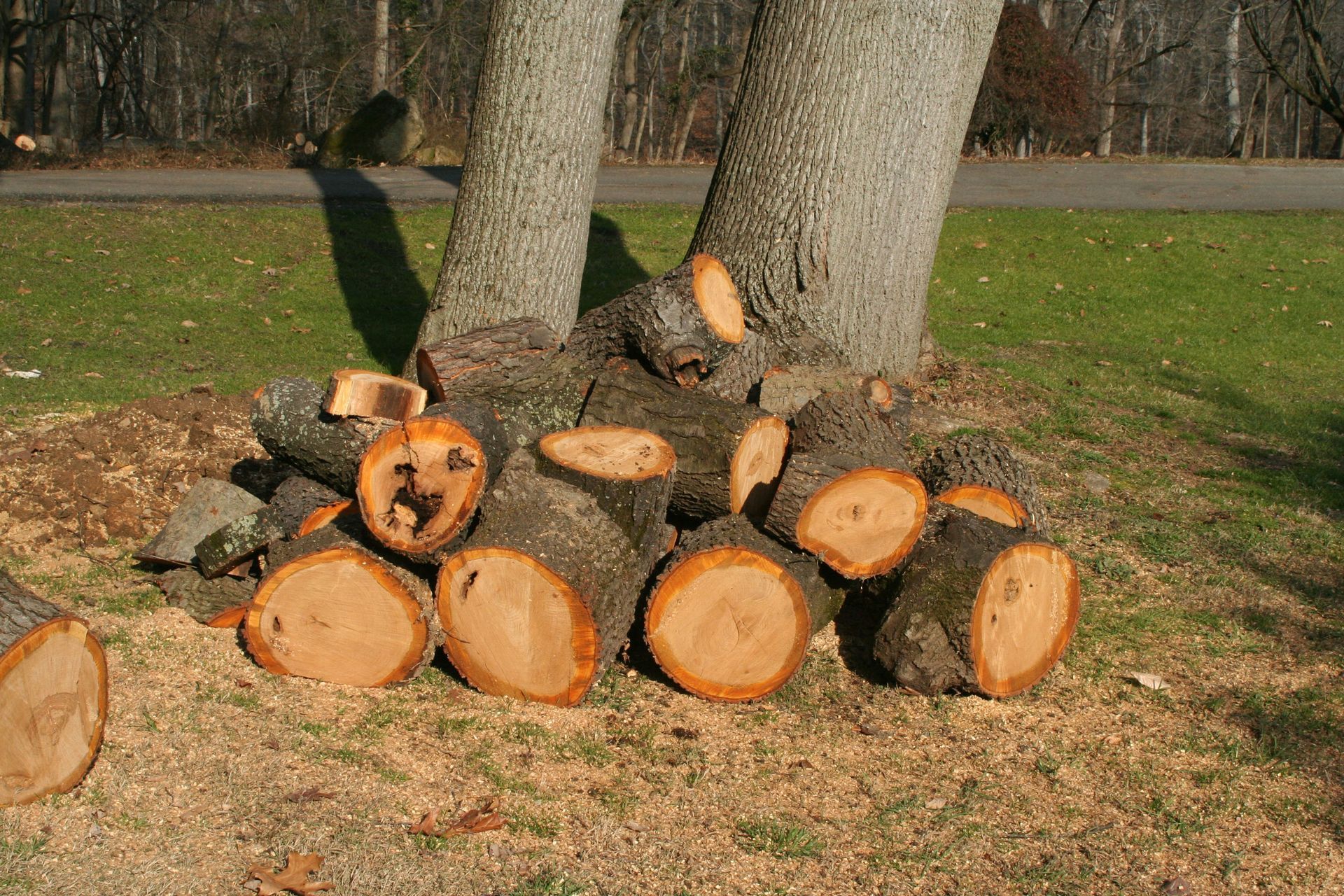
Recognizing green or wet logs is an essential skill for anyone who relies on a fireplace during the bitter winter months. Fortunately, several visual and auditory clues clearly indicate whether your fuel is ready for the hearth. First, look at the ends of the logs. Well-seasoned wood typically features deep, prominent cracks and splits radiating from the center, whereas unseasoned wood looks solid and freshly cut. Additionally, the sheer weight of the piece can tell you a lot; water is incredibly heavy, so a green log will feel significantly denser than a dried piece of the exact same size. You can also smack two pieces together to test them. Dry wood produces a sharp, clear cracking sound, while wet wood gives off a dull thud. If you accidentally purchase green logs from unreliable firewood companies, you might immediately notice a lingering sap smell rather than a dry, earthy aroma.
Measuring Your Firewood's Exact Moisture Levels
While visual and auditory cues are helpful for a quick assessment, the most accurate way to gauge your winter fuel is by using a digital moisture meter. This simple, highly affordable tool effectively takes the guesswork out of your crucial winter preparations. To get an accurate reading, you must first split a log straight down the middle, as the exterior bark always dries faster than the interior fibers. Press the meter’s sharp metal prongs firmly into the freshly exposed center of the wood grain. Ideally, your logs should consistently register between fifteen and twenty percent moisture. Anything testing above twenty percent will stubbornly struggle to catch fire and produce excess smoke. If it reads below ten percent, the wood might burn too quickly, forcing you to reload the fireplace constantly. By testing your supply early, you can verify that the raw materials acquired through unsplit firewood sales are primed for freezing nights.
Avoiding the Dangers of High Moisture Content
Burning wet wood is not just a minor inconvenience; it poses significant risks to your property and your family's respiratory health. When a fire expends all of its vital energy rapidly boiling off internal water, the resulting burn temperature remains dangerously low. These unusually cool and inefficient fires fail to combust the volatile wood gases, leading to heavy smoke and the rapid accumulation of creosote inside your chimney walls. Creosote is a highly flammable, sticky, tar-like substance that clings to the flue lining and is the leading cause of devastating chimney fires. Furthermore, the excessive smoke produced by green wood drastically degrades your indoor air quality, which can irritate the respiratory systems of your household members. Responsible firewood companies actively educate their customers about these severe hazards, ensuring that homeowners understand why patience and proper drying times are non-negotiable. Protecting your home requires a firm commitment to burning adequately seasoned materials.
Finding the Right Balance for Optimal Heat
Achieving the perfect fire is a delicate balancing act. You want your fuel to be dry enough to ignite easily and burn cleanly, but not so dry that it rapidly combusts and vanishes in a matter of minutes. When your logs hit that sweet spot of fifteen to twenty percent moisture, they consistently provide a steady, controlled release of thermal energy. This optimal moisture range maximizes the overall heating efficiency of your fireplace, allowing you to steadily warm your entire living space while consuming fewer logs overall. If you obtain your winter fuel through bulk unsplit firewood sales, it is highly recommended to stack the pieces properly to maintain this ideal balance. Keep the stacks elevated off the damp ground and cover only the very top to block precipitation, allowing the sides to breathe freely. Many exceptional firewood companies offer advice on proper stacking techniques to maintain that perfect moisture level.
Securing Your Fuel for the Winter Season
Acquiring high-quality logs requires thoughtful planning and a reliable community source. Whether you are buying fully processed logs or participating in unsplit firewood sales to process the large pieces yourself, knowing where your materials come from makes a massive difference in your overall heating success. Operations that also handle large-scale land clearing often have a steady, robust supply of diverse hardwood species available. According to the Business Research Company, upgrading logging operations leads to a 30% boost in overall wood volume. This efficiency means that professional outfits can offer a more consistent and sustainable supply to the public year-round. When evaluating different firewood companies, you should always ask about their specific sourcing methods, typical drying times, and protective storage practices. Building a strong relationship with a highly knowledgeable provider ensures that you will never be left struggling to ignite a damp pile of useless logs when the next storm rolls in.
Your overall winter comfort is heavily dependent on the physical quality of the fuel you bring into your home. By paying close attention to the exact moisture content, you can easily transform a frustrating, smoky fireplace into a powerful and efficient heating source. Remember to look for the clear telltale signs of dryness, utilize a digital moisture meter for unbeatable accuracy, and actively practice proper and safe storage habits to keep your logs in peak condition. Always strictly avoid green wood to protect your chimney from dangerous creosote buildup and keep your indoor air fresh and clean. When you partner with the right firewood companies, sourcing excellent, ready-to-burn materials becomes an effortless part of your seasonal routine. If you need top-tier logs, comprehensive land clearing, or professional timber harvesting, reach out to Luft Logging.