May 13, 2026
The majesty of an ancient woodland represents more than just a collection of trees; it is a complex, breathing organism that sustains life across the globe. For centuries, humanity has looked to these vast green expanses for shelter, warmth, and industry. However, the historical approach to resource extraction often left scars upon the landscape that took generations to heal. In the modern era, the philosophy surrounding the harvest of timber has undergone a radical transformation. No longer is the focus solely on the volume of wood removed from the earth. Instead, the primary objective has shifted toward the preservation of the ecological integrity that allows these forests to thrive in perpetuity. This evolution in thought has birthed a suite of practices designed to balance human necessity with environmental stewardship.
The vitality of our planet depends on the continued health of forest canopies. These ecosystems regulate the atmosphere, provide habitats for countless species, and safeguard the water cycles that nourish the soil. When we discuss the future of the natural world, we must consider how we interact with its most precious resources. Sustainable logging is not an oxymoron; rather, it is a sophisticated methodology that employs scientific precision to ensure that the removal of select trees actually fosters a more resilient and diverse forest structure. By mimicking natural disturbance patterns and prioritizing the long-term health of the stand over short-term gains, we can ensure that the rustle of leaves remains a constant melody for the future.
Prioritizing Selective Harvest Techniques
The transition away from clear-cutting represents a fundamental shift in how timber operations are managed. Selective harvesting involves the careful identification and removal of individual trees or small groups, leaving the vast majority of the forest canopy intact. This method ensures that the vertical structure of the woods remains diverse, providing continuous cover for wildlife and preventing the drastic temperature fluctuations that can stress sensitive undergrowth. By focusing on mature or diseased specimens, managers can create space for younger, more vigorous trees to reach toward the sunlight. This intentional thinning process often results in a more robust ecosystem, as it reduces competition for nutrients and water among the remaining flora.
According to IBISWorld, the logging industry in the United States reached a market size of $16.1 billion in 2024. This significant economic presence underscores the importance of implementing methods that do not compromise the resource base upon which the industry relies. By utilizing selective techniques, practitioners maintain the aesthetic and functional value of the land. This approach also mitigates the risk of catastrophic wildfire by removing excess fuel loads while keeping the cooling shade of the larger, more fire-resistant trees. The result is a landscape that retains its character and ecological function even as it provides the raw materials necessary for human civilization.
Protecting Riparian Buffer Zones
Water is the lifeblood of the forest, and the areas surrounding streams, rivers, and wetlands are among the most sensitive environments on earth. Sustainable logging necessitates the establishment of strict buffer zones where no heavy machinery may enter and no harvesting occurs. These ribbons of green serve as natural filters, trapping sediment and preventing runoff from entering pristine waterways. By keeping the soil anchored with deep-rooted vegetation, these zones prevent erosion and maintain the clarity of the water, which is essential for aquatic life and downstream human populations. The shade provided by overhanging branches also keeps water temperatures low, a critical factor for the survival of many fish species.
The preservation of these corridors also facilitates the movement of wildlife. Many terrestrial animals rely on the lush vegetation near water for both food and safe passage through the landscape. When we protect these zones, we are effectively creating a network of biological highways that link different parts of the ecosystem. This connectivity is vital for genetic diversity and the overall resilience of the forest. By respecting the boundaries of the watershed, land managers demonstrate a commitment to the entire biological community, acknowledging that the health of the timber is inextricably linked to the purity of the water that flows beneath its roots.
Minimizing Soil Disturbance Patterns
Beneath every thriving forest lies a hidden world of fungal networks, microbial life, and delicate root systems. Traditional heavy equipment can cause severe soil compaction, which chokes off the flow of oxygen and water to these subterranean residents. To combat this, modern sustainable logging employs low-impact machinery equipped with wide tracks or high-flotation tires that distribute weight more evenly across the ground. In some particularly sensitive terrains, aerial extraction methods or specialized cable systems are used to lift logs entirely off the floor, preventing any direct contact with the soil. This meticulous attention to the ground level ensures that the foundation of the forest remains porous and fertile.
Advancing Professional Training Standards
The success of any sustainability initiative ultimately rests in the hands of the individuals on the ground. Modern logging requires a high level of technical expertise and environmental literacy. Operators must be trained not only in the safe use of sophisticated machinery but also in the identification of rare plant species, the recognition of wildlife signs, and the principles of forest ecology. Professional certification programs have become the gold standard, ensuring that every person involved in the harvest process understands their role as a steward of the environment. This culture of continuous learning and accountability is what separates professional forestry from simple timber cutting.
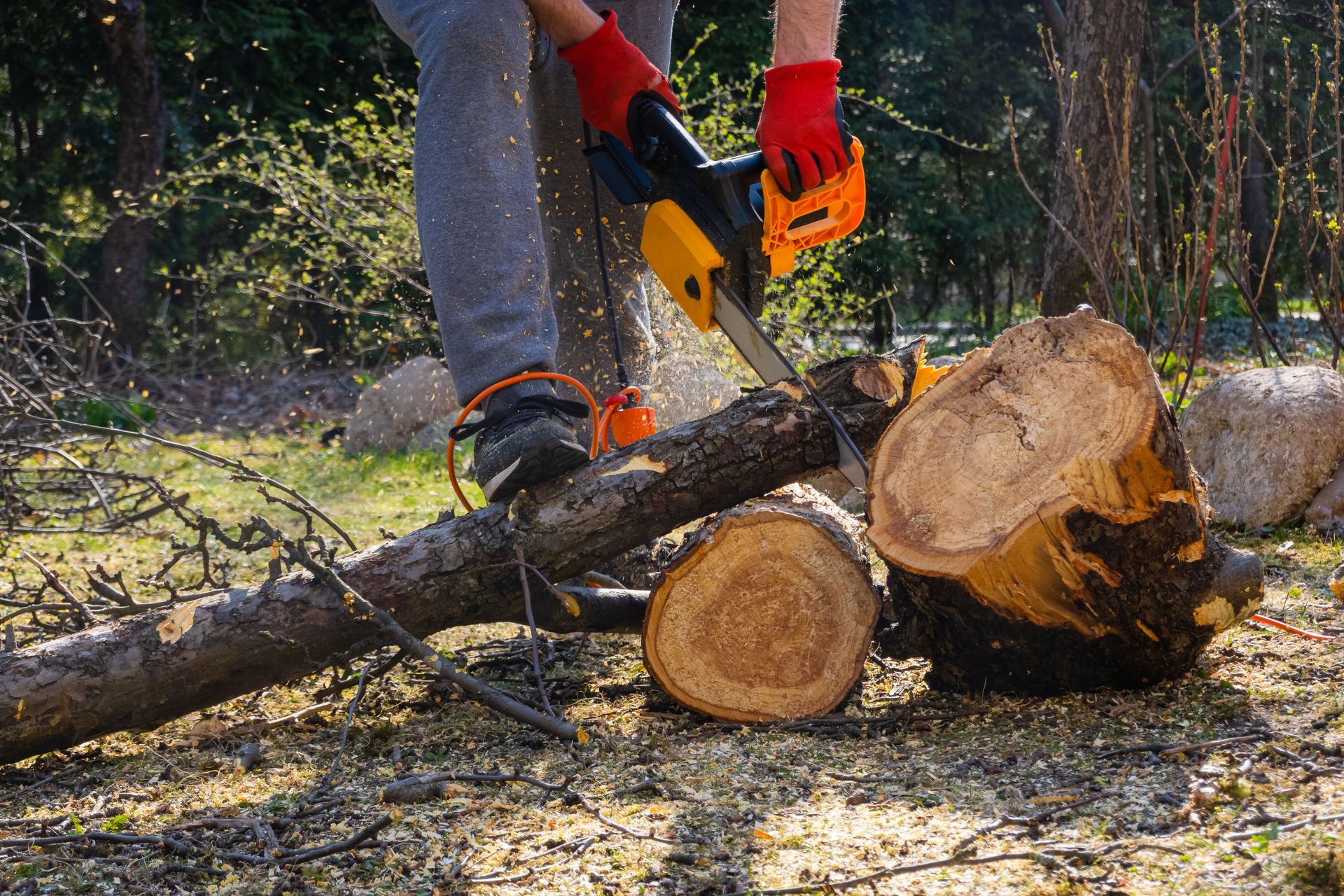
By investing in the education of the workforce, the industry ensures that best practices are followed even in the most remote locations. This includes the proper maintenance of equipment to prevent fluid leaks, the strategic placement of access roads to minimize fragmentation, and the use of directional felling to protect the surrounding saplings. When every chainsaw operator and skidder driver views themselves as a vital part of the conservation effort, the result is a level of precision and care that was once thought impossible. This professionalization of the trade is the cornerstone of a sustainable future, where human labor and natural preservation work in tandem.
The path toward a truly sustainable relationship with our forests is paved with innovation, respect, and a deep understanding of the natural world. We have moved beyond the era of exploitation and into an age where we recognize that our own well-being is tied to the health of the timberlands we manage. By prioritizing the complexity of the ecosystem and the integrity of the soil and water, we ensure that the resources we use today will be available in even greater abundance for those who follow us. The forest is a resilient entity, capable of providing for our needs while remaining a wild and beautiful sanctuary, provided we approach it with the care it deserves.
As we look toward the horizon, the principles of stewardship will continue to guide our actions. Every tree harvested with care and every acre protected with foresight contributes to a global effort to maintain the balance of our biosphere. The commitment to these practices is a testament to our ability to live in harmony with the earth. By choosing methods that honor the life of the forest, we secure a legacy of green canopies and vibrant ecosystems that will stand the test of time.
At Luft Logging, we believe that the strength of our industry lies in the vitality of the woods, and we are dedicated to championing the methods that keep our forests standing tall and healthy for the long haul.